
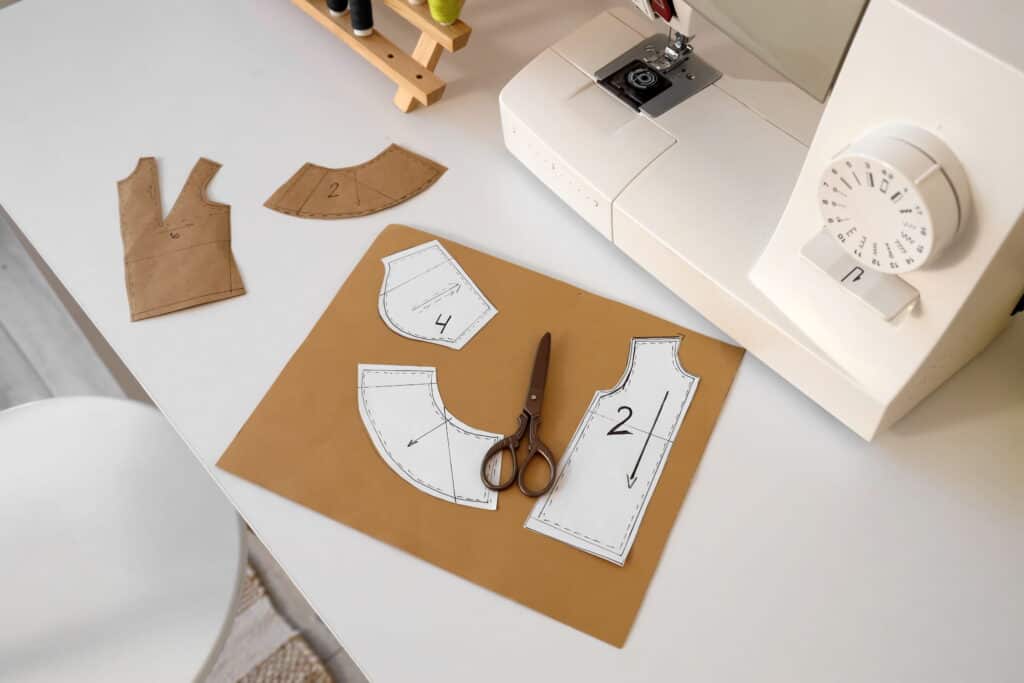
Developing an apparel product requires more than creating a pattern or assembling a technical package. Every garment moves through a series of connected decisions involving design intent, fit, construction, materials, specifications, sampling, grading, and manufacturing requirements. When those decisions are managed independently, even relatively small inconsistencies can create complications as the product moves toward production.
Pattern development and technical design serve different but closely related functions within this process. Patternmaking translates the garment’s intended shape, fit, and construction requirements into the pieces used to create it. Technical design establishes and maintains the specifications, fitting information, documentation, and communication needed to keep development aligned with the original product requirements.
When these disciplines work together, apparel development becomes a more coordinated process. Patterns and technical documentation can be evaluated against one another, fitting decisions can be communicated more clearly, and the information required for manufacturing can remain consistent as the garment evolves.
Patternmaking and Technical Design Solve Different Problems
Patternmaking and technical design are sometimes treated as interchangeable services, but they address different aspects of garment development. Understanding their individual responsibilities helps explain why collaboration between the two is valuable.
A patternmaker develops the actual shapes and relationships that determine how a garment will be constructed and how it will fit. This work requires evaluating proportions, balance, seam relationships, ease distribution, construction requirements, and the behavior of the intended materials. A pattern must do more than reproduce the appearance of a sketch. It needs to create a garment that can be assembled and that performs as intended when worn.
Technical design focuses on defining, documenting, evaluating, and communicating the requirements that guide this work. These responsibilities may include developing measurement specifications, preparing construction information, leading fittings, recording fit comments, maintaining technical packages, and coordinating information between the people involved in development.
Neither function operates effectively in isolation. A technically accurate pattern can still create confusion if the supporting documentation is incomplete or outdated. Likewise, a detailed technical package cannot compensate for pattern pieces that do not produce the intended fit or construction.
Translating Design Intent Into a Workable Pattern
One of the first important points of collaboration occurs when a design moves from concept into technical development. A designer may communicate the intended silhouette through sketches, reference garments, material selections, and descriptions of the desired fit. That information needs to be translated into technical requirements before the pattern can be developed accurately.
The technical designer helps establish and organize those requirements. Measurements, construction details, materials, and other relevant specifications provide the patternmaker with a clearer understanding of what the garment is expected to accomplish.
The patternmaker then interprets those requirements through the actual pattern. This involves determining how individual pieces relate to one another, how shaping should be distributed, how construction affects the finished garment, and how the intended silhouette can be achieved.
At XYZ Pattern Services, Katherine O’Neal’s pattern development expertise supports this translation from technical requirements into garment patterns. Working with Angela Ryberg of Tacos, Tequila & Tech Design (TTTD), the two disciplines can connect the design and documentation process with the patternmaking decisions required to develop the garment.
Technical Design Creates Continuity Throughout Development
A technical package is often associated with the beginning of development, but its value extends throughout the entire process. As patterns are developed, samples are evaluated, and construction decisions change, the technical documentation needs to reflect the garment’s current approved specifications.
Technical designers help maintain this continuity by coordinating the information that different specialists need. Depending on the scope of the project, this may include measurement charts, construction callouts, Bills of Materials, technical sketches, fit comments, cost information, and other product development documents.
This work becomes increasingly important as the number of people involved in development grows. Designers, patternmakers, sample makers, sourcing specialists, and manufacturing vendors may all need access to different parts of the same product information.
When technical documentation is current and consistent, each specialist has a clearer reference for the work being performed. When it is not, teams may unknowingly work from different versions of the garment, creating errors that become difficult to trace later.
The Pattern, Sample, and Fitting Need to Inform One Another
The relationship between pattern development and technical design becomes particularly important during sampling. Once a pattern has been developed, a physical sample allows the team to evaluate how the garment performs against the intended fit, construction, and design requirements.
In a typical coordinated workflow, the technical designer organizes the fitting process and documents the necessary changes. Those comments provide the patternmaker with specific direction for revising the pattern. After the adjustments are made, the next sample can be evaluated to determine whether the changes achieved the intended result.
This creates an iterative relationship between the pattern, physical sample, and technical documentation. The patternmaker is responsible for implementing the appropriate pattern changes, while the technical designer helps maintain the measurements, fitting decisions, and communication that guide the revisions.
The value comes from ensuring that both disciplines are responding to the same information. If a fitting identifies a change to the shoulder, waist, or garment length, that decision needs to be reflected in the relevant pattern pieces and technical specifications. Otherwise, the next stage of development may be based on conflicting instructions.
Better Collaboration Helps Identify the Actual Cause of Fit Problems
Garment fit problems are not always caused by a single measurement or pattern piece. A visible issue may result from the relationship between the pattern, construction method, material characteristics, or finishing process.
Consider a waistband that does not sit correctly on the finished garment. The initial assumption may be that the waistband measurement is incorrect. However, the problem could involve the relationship between the waistband and pant body, the construction method, the amount of ease, or dimensional changes introduced during washing or finishing.
A coordinated technical review allows these possibilities to be evaluated before changes are made. The technical designer can compare the finished sample with the intended measurements and construction requirements, while the patternmaker can examine the pattern relationships and determine whether the underlying shapes are contributing to the issue.
This approach helps prevent unnecessary revisions. Rather than repeatedly adjusting the pattern based only on the appearance of the finished sample, the team can use information from multiple stages of development to identify the most appropriate correction.
Graded Specifications and Pattern Grading Must Work Together
Grading is another area where the distinction between technical design and patternmaking becomes important. Although the terms are closely related, establishing graded specifications and applying a grade to the pattern are not the same task.
Graded specifications define the intended measurements across the size range. These measurements reflect the brand’s sizing strategy, target customer, fit standards, and intended proportions. The technical designer may develop these specifications to establish how the garment should measure as sizes increase or decrease.
Pattern grading translates those specifications into changes across the actual pattern pieces. The patternmaker must consider how the individual pieces relate to one another and how the garment’s proportions, construction, and balance will be maintained throughout the size range.
At XYZ, Katherine applies pattern grading using the graded specifications established through technical development. This coordinated process helps connect the intended size measurements with the actual pattern shapes required to produce them.
When these responsibilities are clearly defined, grading becomes more than a mathematical progression. It becomes part of a broader strategy for maintaining fit consistency across the entire product line.
Accurate Documentation Makes Factory Handoffs More Reliable
The transition from development to manufacturing is one of the most important stages in the apparel process. By this point, the brand should have an approved understanding of how the garment is intended to fit, how it should be constructed, and which materials and specifications will be used.
Problems can arise when the pattern and technical package communicate different information. A factory may receive a revised pattern but an outdated measurement chart, or construction instructions may reflect a decision that was changed during a later fitting. Even when the individual documents appear complete, inconsistencies between them can create uncertainty during manufacturing.
Coordinated pattern development and technical design help reduce this risk by keeping the technical information aligned as decisions are made. Maintaining the revision history also allows the team to understand why particular changes occurred and which specifications represent the approved version.
This continuity is especially valuable when brands begin working with additional factories or manufacturing partners. Accurate, organized technical information provides a more reliable foundation for communication and reduces dependence on undocumented decisions or individual recollection.
A Coordinated Team Can Support More Than Pattern Development
Apparel development involves numerous responsibilities beyond drafting and revising patterns. Depending on the project, brands may also need assistance with material sourcing, sample coordination, technical sketches, cost sheets, vendor communication, purchase orders, and production follow-up.
These functions require coordination because decisions made in one area can affect several others. A material substitution may influence the pattern and construction. A change in the intended silhouette may require updates to measurements and technical sketches. A revised manufacturing requirement may affect the way a garment needs to be assembled.
Through their collaboration, XYZ Pattern Services and TTTD can connect specialized patternmaking expertise with broader technical design and product development coordination. Katherine focuses on the pattern development, revisions, grading, and marker requirements, while Angela provides technical design leadership and coordinates documentation, fittings, vendors, and related development activities as appropriate to the engagement.
The exact services and project responsibilities depend on the brand’s needs. Some clients may require focused patternmaking support, while others may benefit from more comprehensive technical development and coordination. Establishing that scope early helps ensure that responsibilities, communication, and project leadership are clearly understood.
Collaboration Creates a Stronger Foundation for Growth
As apparel brands grow, development becomes more complex. Collections expand, additional styles are introduced, manufacturing relationships evolve, and more people become responsible for different stages of the process.
Without a coordinated technical foundation, these changes can increase the risk of inconsistent specifications, undocumented revisions, and repeated development problems. A garment that was successfully developed for one factory may become difficult to reproduce elsewhere if important decisions were never recorded or if the pattern and technical package no longer agree.
Coordinated patternmaking and technical design support scalability by creating a more consistent record of how products were developed. Approved measurements, construction information, patterns, grading, and revision histories can provide valuable references for future collections and manufacturing transitions.
This does not eliminate every production challenge, but it gives brands a stronger technical foundation for addressing them. Instead of reconstructing development decisions each time a question arises, the team can work from information that has been maintained throughout the process.
Stronger Products Begin With Connected Technical Expertise
At XYZ Pattern Services, patternmaking is treated as an integral part of apparel development rather than an isolated service. Through collaboration with technical design professionals such as Angela Ryberg of Tacos, Tequila & Tech Design, XYZ can help connect the technical decisions behind a garment with the documentation and coordination required to move it through development.
The relationship between pattern development and technical design is most effective when responsibilities are clearly defined, communication remains consistent, and both disciplines contribute to the same product objectives. Patterns need to reflect the approved specifications, technical documentation needs to reflect the current garment, and fitting decisions need to remain connected to the work that follows.
For apparel brands, the value of this collaboration extends beyond individual patterns or tech packs. It creates a more organized development process in which technical decisions are communicated clearly, problems can be evaluated from multiple perspectives, and products are better prepared for the transition into manufacturing.
Building Better Products Begins With Better Standards
At XYZ Pattern Services, fit standards are treated as one of the most important long-term investments a brand can make. Rather than viewing fit as something to evaluate after a sample is sewn, XYZ helps brands establish the technical foundation that guides every stage of development. Through validated base blocks, intentional grading strategies, production-ready patterns, and clearly defined fit standards, brands gain a process that is both more efficient and more predictable.
The benefits extend far beyond achieving a better-fitting garment. Strong fit standards reduce unnecessary sample rounds, improve grading consistency, minimize material waste, strengthen customer confidence, and create products that perform reliably in production.
In the end, better fit standards do more than improve fit. They improve the entire development process.